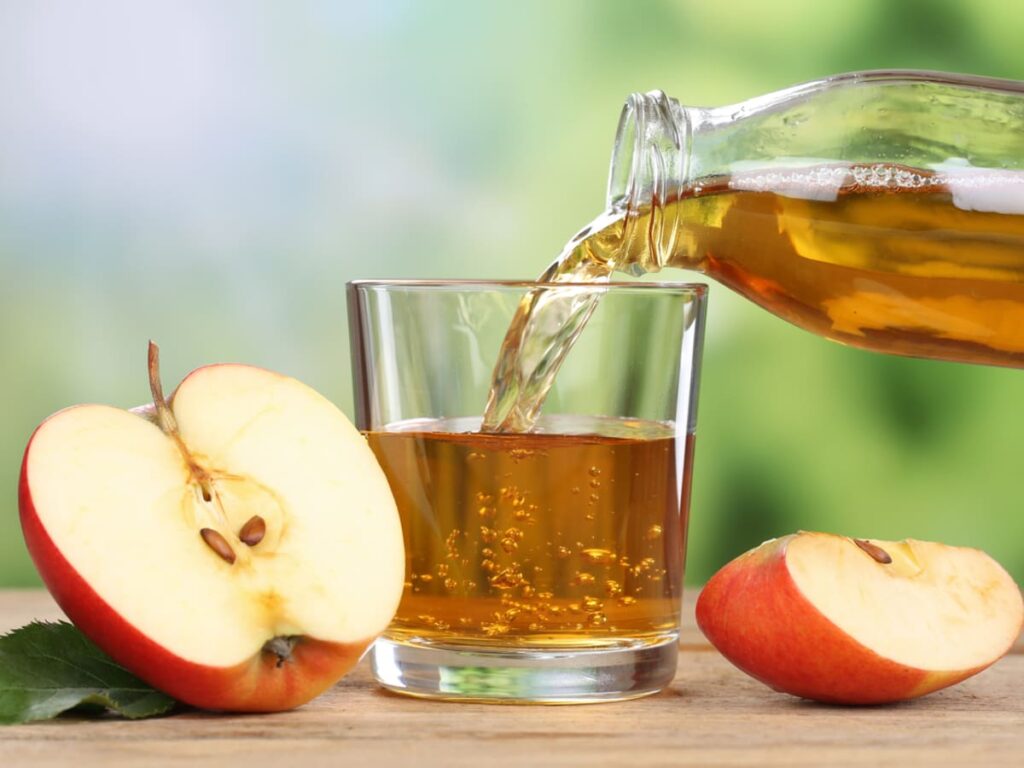
High cholesterol is one of the leading risk factors for heart disease. The good news is that you don’t always need medication to control it. A healthy diet—especially one rich in fruits—can naturally help lower cholesterol levels and protect your heart.
Many fruits are packed with soluble fiber, antioxidants, and plant compounds that reduce bad LDL cholesterol while supporting overall heart health. Below are the top 15 fruits that help lower cholesterol naturally, along with how each one works.
Why Fruits Help Lower Cholesterol
Fruits help manage cholesterol because they:
- Contain Soluble Fiber, which binds cholesterol and removes it from the body
- Are rich in antioxidants, reducing inflammation
- Support healthy digestion and weight control
- Improve heart and blood vessel function
Eating fruit regularly can significantly reduce LDL cholesterol and improve long-term Cardiovascular Health.
Top 15 Fruits That Help Lower Cholesterol
1. Apples
Calories: ~95 kcal
Fiber: ~4 g
Carbs: ~25 g
Fat: 0.3 g
How it helps:
Apples are rich in pectin, a type of soluble fiber that lowers LDL cholesterol by preventing absorption in the intestines.
2. Avocados
Calories: ~234 kcal
Fiber: ~10 g
Carbs: ~12 g
Fat: ~21 g (healthy fats)
How it helps:
Avocados contain monounsaturated fats that raise good HDL cholesterol while lowering bad LDL levels.
3. Oranges
Calories: ~62 kcal
Fiber: ~3 g
Carbs: ~15 g
Fat: 0.2 g
How it helps:
Oranges are rich in soluble fiber and vitamin C, helping reduce cholesterol and improve artery health.
4. Berries (Strawberries, Blueberries, Raspberries)
Calories: ~50 kcal (per cup)
Fiber: ~4–8 g
Carbs: ~12 g
Fat: 0.5 g
How it helps:
Berries contain powerful antioxidants that lower LDL cholesterol and protect against heart disease.
5. Bananas
Calories: ~105 kcal
Fiber: ~3 g
Carbs: ~27 g
Fat: 0.4 g
How it helps:
Bananas provide soluble fiber and potassium, supporting heart health and cholesterol balance.
6. Grapes
Calories: ~104 kcal
Fiber: ~1.4 g
Carbs: ~27 g
Fat: 0.2 g
How it helps:
Grapes contain resveratrol, which helps reduce LDL cholesterol and improve blood circulation.
7. Pears
Calories: ~101 kcal
Fiber: ~6 g
Carbs: ~27 g
Fat: 0.2 g
How it helps:
Pears are one of the highest-fiber fruits, making them excellent for cholesterol control.
8. Kiwi
Calories: ~61 kcal
Fiber: ~2.1 g
Carbs: ~15 g
Fat: 0.5 g
How it helps:
Kiwi helps lower triglycerides and improves good HDL cholesterol levels.
9. Pomegranates
Calories: ~83 kcal
Fiber: ~4 g
Carbs: ~19 g
Fat: 1.2 g
How it helps:
Pomegranate antioxidants reduce Plaque Buildup in arteries and lower cholesterol oxidation.
10. Papaya
Calories: ~59 kcal
Fiber: ~2.5 g
Carbs: ~15 g
Fat: 0.4 g
How it helps:
Papaya improves digestion and reduces inflammation linked to high cholesterol.
11. Mango
Calories: ~99 kcal
Fiber: ~2.6 g
Carbs: ~25 g
Fat: 0.6 g
How it helps:
Mango contains polyphenols that help regulate cholesterol metabolism.
12. Figs (Fresh or Dried)
Calories: ~74 kcal
Fiber: ~2.9 g
Carbs: ~19 g
Fat: 0.3 g
How it helps:
Figs support digestion and help reduce cholesterol absorption.
13. Guava
Calories: ~68 kcal
Fiber: ~5.4 g
Carbs: ~14 g
Fat: 1 g
How it helps:
Guava is extremely high in fiber and vitamin C, helping lower LDL cholesterol effectively.
14. Watermelon
Calories: ~46 kcal
Fiber: ~0.6 g
Carbs: ~11 g
Fat: 0.2 g
How it helps:
Watermelon supports hydration and improves Blood Vessel Function, indirectly helping cholesterol control.
15. Dates (In Moderation)
Calories: ~66 kcal
Fiber: ~1.6 g
Carbs: ~18 g
Fat: 0 g
How it helps:
Dates contain antioxidants that help reduce LDL cholesterol when eaten in moderation.
How Much Fruit Should You Eat?
- 2–3 servings of fruit per day is ideal
- Combine fruits with whole grains and vegetables
- Avoid fruit juices—whole fruits are better
Tips to Lower Cholesterol Naturally
- Eat high-fiber foods daily
- Reduce fried and processed foods
- Stay active (30 minutes/day)
- Drink plenty of water
- Maintain a healthy weight
Final Thoughts
Fruits are a powerful, natural way to manage cholesterol levels. By including these 15 cholesterol-lowering fruits in your daily diet, you can protect your heart, improve digestion, and support long-term health—naturally and safely.